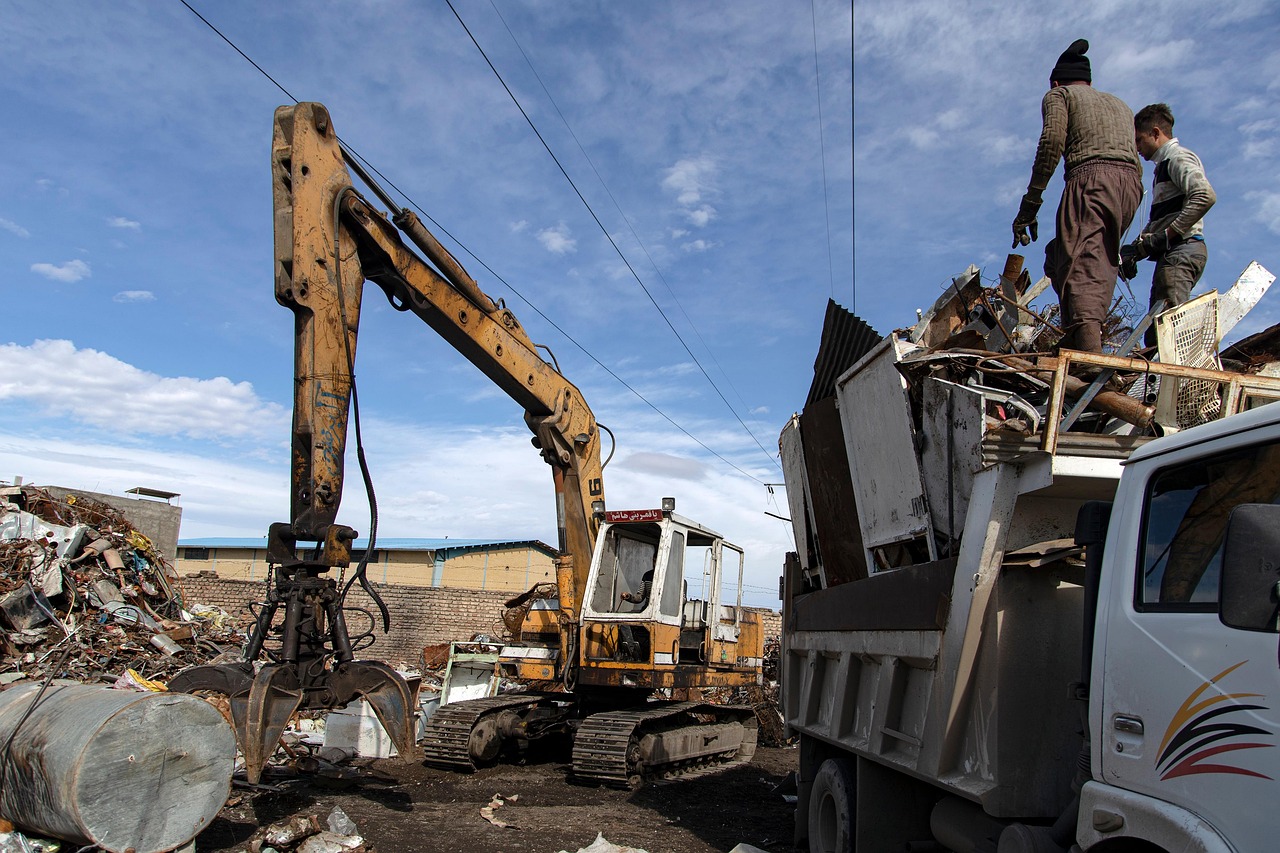
Waste management is a critical aspect of modern society, and in the United Kingdom, effective waste management practices are essential to meeting environmental standards, preserving natural resources, and ensuring a healthier future. This comprehensive guide delves into the intricacies of Waste Management UK, highlighting how improved waste management strategies directly support compliance efficiency and sustainable development goals. By exploring key components and advancements in the sector, we uncover the path toward a more efficient, responsible, and compliant UK waste management system.
The Importance of Waste Management in the UK
Waste Management UK plays a pivotal role in addressing environmental challenges and fostering a circular economy. With a growing population and increasing consumption patterns, managing waste responsibly has become more crucial than ever. The UK government's commitment to reducing carbon emissions, preserving biodiversity, and achieving net-zero goals underscores the significance of efficient waste management systems.
The Environmental Protection Act 2008 and various EU directives set strict regulations for waste disposal and treatment, emphasizing the need for a structured and compliant approach. Effective waste management not only helps meet these legal requirements but also offers numerous economic and environmental benefits. It contributes to resource conservation, reduces landfill waste, minimizes greenhouse gas emissions, and supports the development of green technologies.
Key Components of Waste Management UK
1. Waste Collection and Transportation
The foundation of a robust Waste Management UK system lies in efficient collection and transportation networks. Local authorities and private companies operate waste collection services using specialized vehicles tailored to different waste types, such as refuse collectors for general household waste and recycling vehicles for distinctive materials.
These collections are typically scheduled according to residential areas, commercial districts, and industrial sites, ensuring regular removal of accumulated waste. Proper sorting at the source by residents and businesses is encouraged through educational campaigns and incentive programs, streamlining the transportation process and facilitating subsequent recycling and treatment stages.
2. Recycling and Reuse Facilities
Recycling and reuse centers are integral to diverting materials from landfills and promoting sustainability in Waste Management UK. These facilities employ advanced sorting technologies and manual labor to separate recyclables like paper, plastic, glass, and metal from general waste streams.
Once separated, the recyclable materials undergo processing, such as washing, shredding, or melting, to ensure they meet the required standards for re-entry into manufacturing supply chains. Reuse centers, on the other hand, repair, refurbish, and redistribute used items, extending their lifespan and reducing demand for new products.
3. Waste Treatment and Disposal Sites
While recycling and reuse are preferred methods, some types of waste require specialized treatment or disposal methods to ensure environmental safety and compliance with regulations. Waste Management UK includes a network of facilities designed for these purposes:
-
Landfill Sites: Despite their controversial nature due to potential groundwater contamination and methane emissions, landfills remain one of the primary disposal methods for non-recyclable waste. Modern landfill sites employ advanced liners, gas capture systems, and leachate treatment plants to minimize environmental impact.
-
Incineration Plants: These facilities burn waste to generate energy in the form of steam or electricity, a process known as waste-to-energy (WTE). Incineration reduces waste volume and can provide a source of renewable energy. However, it also raises concerns about air pollution if not properly controlled.
-
Waste-to-Product Plants: Emerging technologies are transforming waste into valuable products, such as biofuels, bioplastics, and construction materials. These innovative plants offer sustainable alternatives to conventional disposal methods while contributing to a circular economy.
Enhancing Compliance Efficiency through Improved Waste Management
1. Streamlined Regulatory Framework
Waste Management UK operates within a robust regulatory framework designed to ensure environmental protection and compliance. The Environment Agency, in conjunction with local authorities, enforces these regulations, providing clear guidelines and standards for waste management practices.
Regular audits, inspections, and penalties for non-compliance encourage businesses and local authorities to maintain high standards. By staying informed about changing regulations and implementing best practices, organizations can streamline their operations, reduce legal risks, and contribute to overall compliance efficiency.
2. Data-Driven Decision Making
Advanced data analytics plays a transformative role in optimizing Waste Management UK. By collecting and analyzing vast amounts of data on waste generation, collection routes, recycling rates, and treatment facility performance, decision-makers can identify inefficiencies and make informed adjustments.
For example, predictive analytics can anticipate waste generation patterns, enabling more accurate scheduling of collection vehicles and reducing operational costs. Real-time tracking systems enhance accountability and enable prompt responses to potential compliance issues or environmental emergencies.
3. Digitalization and Smart Technologies
The integration of digital technologies in Waste Management UK is revolutionizing the sector. Smart sensors, IoT devices, and mobile applications are being employed to optimize various processes:
-
Smart Bin Systems: These bins use sensors to detect when they are full, triggering automatic collection requests, thus improving route optimization and reducing vehicle mileage.
-
Waste Sorting Automation: Advanced sorting facilities utilize machine learning algorithms and computer vision to identify and separate recyclables with high accuracy, increasing overall recycling rates.
-
Real-Time Monitoring Platforms: These platforms provide live updates on waste flow, collection performance, and treatment facility operations, enabling rapid issue resolution and data-driven decision making.
Sustainability at the Core: The Future of Waste Management UK
As Waste Management UK evolves, sustainability remains a central focus. The sector is increasingly adopting circular economy principles, aiming to minimize waste generation, maximize resource recovery, and promote sustainable consumption patterns.
1. Circular Economy Initiatives
The circular economy model encourages the design of products and services that reduce waste and promote recycling or reuse. In Waste Management UK, this translates into initiatives such as:
-
Product-as-a-Service Models: Instead of traditional sales, businesses offer products for lease or subscription, encouraging repair, refurbishment, and return, thus extending product lifespan.
-
Extended Producer Responsibility (EPR): This concept holds manufacturers responsible for the entire lifecycle of their products, including take-back, recycling, and proper disposal, incentivizing eco-design practices.
-
Waste-to-Resource Projects: Converting waste into valuable resources, such as using food waste to produce biogas or creating construction materials from recycled plastics, offers sustainable alternatives to traditional waste management methods.
2. Education and Awareness Campaigns
Fostering a culture of responsible waste management requires public participation and awareness. Waste Management UK organizations collaborate with government agencies, schools, and community groups to conduct educational campaigns that:
-
Promote proper waste sorting and recycling practices at home and in the workplace.
-
Encourage consumers to make sustainable choices and reduce waste at source.
-
Highlight the environmental benefits of responsible waste management for future generations.
Conclusion: Building a Sustainable Future through Effective Waste Management
Waste Management UK is not just about disposing of unwanted materials; it is a complex, critical system that shapes the nation's environmental destiny. By focusing on compliance efficiency and embracing sustainability, Waste Management UK can achieve remarkable outcomes.
Optimized collection and transportation networks, advanced recycling and treatment facilities, and innovative technologies empower the sector to meet legal obligations while reducing environmental impact. As the UK moves toward a greener future, investing in sustainable waste management practices becomes increasingly vital. Through streamlined regulatory frameworks, data-driven decision making, and digital innovation, Waste Management UK is poised to lead the way in building a circular economy and preserving the country's natural heritage for generations to come.